
Trézor.io/Start — Starting Up™ Your Device | Trézor®
Trezor.io/start offers an easy way to learn Trezor wallet setup, device configuration, recovery phrase safety, Trezor Suite usage, account management, and secure crypto transaction preparation.
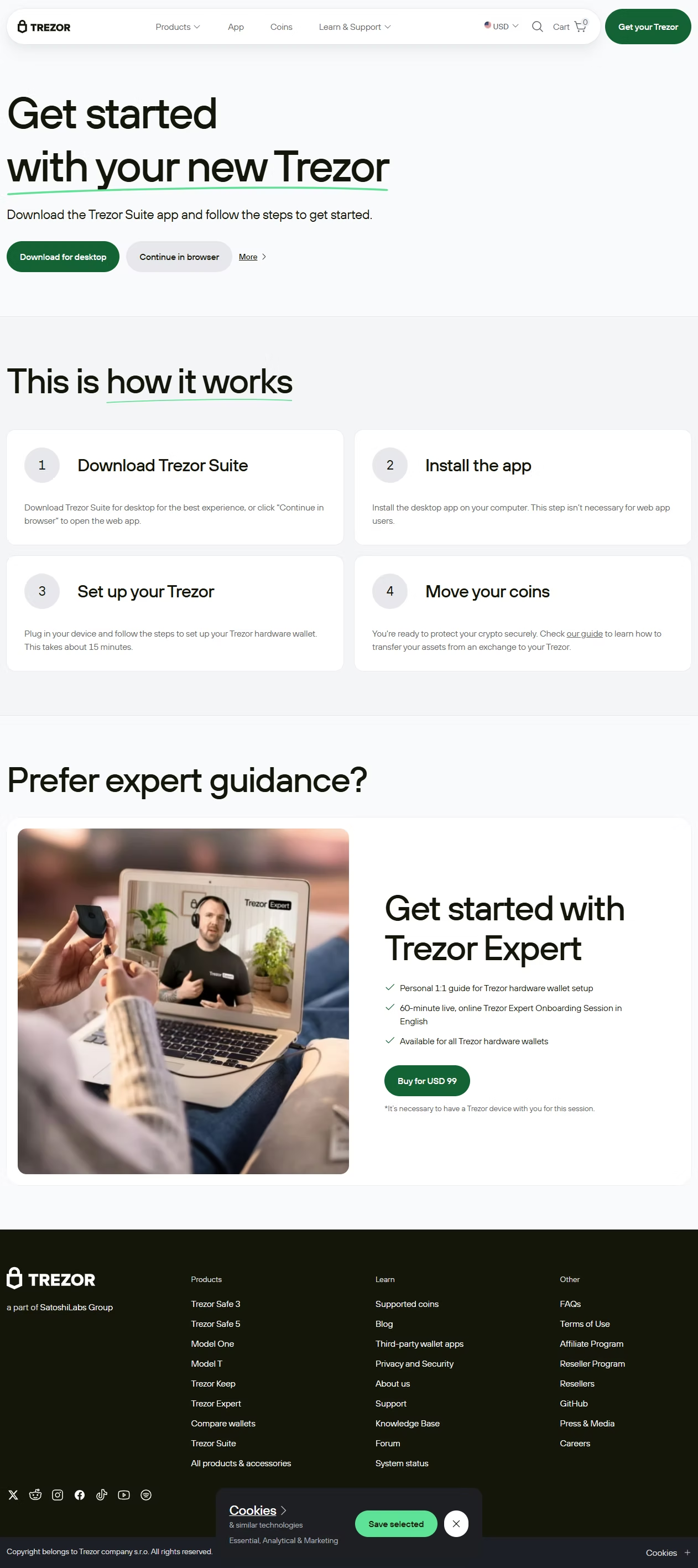
Trezor.io/start: Complete Guide to Setting Up Your Trezor Wallet
Starting with a hardware wallet can feel unfamiliar when you are managing cryptocurrency for the first time. There are several important steps to understand, including connecting your device, installing the appropriate wallet software, creating or recovering a wallet, and learning how to protect your recovery information. Trezor.io/start is commonly associated with the beginning of the Trezor hardware-wallet setup process and provides a useful starting point for new users.
A hardware wallet is designed to keep sensitive private-key operations separated from an internet-connected computer. When combined with careful security practices, this approach can provide a more controlled way to manage supported digital assets.
What Is Trezor.io/start?
Trezor.io/start refers to the starting point associated with setting up a Trezor hardware wallet. New users can use the official Trezor setup resources to understand how their device works and proceed through the required configuration steps.
The setup process generally involves connecting the hardware wallet, following the instructions provided by the wallet software, and creating or restoring access to supported accounts. Users should always verify that they are using genuine Trezor software and official resources before entering sensitive information or approving wallet operations.
Why Use a Trezor Hardware Wallet?
A hardware wallet provides a physical security layer for cryptocurrency management. Instead of keeping private keys directly exposed on a general-purpose computer, the hardware device is designed to protect key operations and require physical confirmation for important actions.
This can be particularly useful for users who want greater control over their digital assets. However, a hardware wallet does not eliminate every security risk. Phishing, fake applications, fraudulent support messages, and careless handling of recovery information can still create serious problems.
Getting Started With Your Trezor Device
The first step is to connect the compatible Trezor device to your computer and follow the setup instructions presented through trusted Trezor software. The application can guide users through device preparation and other required configuration steps.
During the process, users should carefully read every instruction instead of rushing through the setup. If a website, message, or application unexpectedly asks for sensitive wallet information, stop and verify the request before continuing.
Using Official Trezor Software
Trezor Suite provides the software environment used for interacting with supported Trezor hardware wallets. Through the application, users can manage accounts, review transactions, monitor balances, and prepare supported cryptocurrency transfers.
The software acts as a convenient interface, while the hardware wallet provides an important security boundary for private-key operations. This distinction is useful for beginners because cryptocurrency is not simply stored inside a desktop application. Blockchain records represent the assets, while the wallet controls the keys required to authorize transactions.
Creating or Recovering a Wallet
During the initial setup, users may create a new wallet or restore an existing wallet when appropriate. New users should follow the instructions displayed by the trusted wallet software and carefully record their recovery information when instructed.
The recovery seed is extremely important because it can provide a way to restore access to wallet accounts if the physical device is lost or damaged. It should be written down using a secure offline method and stored somewhere protected from unauthorized access.
Never share a recovery seed with another person. It should not be entered into random websites, online forms, emails, or messages.
Protecting Your Recovery Seed
The recovery seed is often the most important backup associated with a hardware wallet. Losing it can make recovery difficult, while exposing it can put the associated wallet at risk.
Users should avoid taking unnecessary digital copies of their recovery seed. Storing the information in cloud storage, screenshots, email accounts, or ordinary text documents can create additional exposure.
It is also important to understand that legitimate wallet support should not need the complete recovery seed simply to help with a normal software or device issue. Requests for sensitive recovery information should always be treated with caution.
Setting Up Accounts and Managing Assets
Once the wallet setup is complete, users can use Trezor Suite to access supported cryptocurrency accounts. The available options depend on the hardware device, software version, supported networks, and current wallet functionality.
Account management can include checking balances, viewing transaction history, and preparing cryptocurrency transfers. Keeping accounts organized can make it easier to understand portfolio activity and identify individual transactions.
Checking Transactions Before Approval
One of the most important habits when using a hardware wallet is verifying transaction information before approving it. When sending cryptocurrency, carefully check the recipient address, amount, and other relevant transaction details.
The information displayed on the physical hardware wallet deserves particular attention. If the details shown on the device do not match what you expected, do not approve the transaction until the difference has been investigated.
This simple verification step can help protect against certain types of malware and address-replacement attacks.
Avoiding Common Setup Mistakes
New users can make avoidable mistakes when setting up a hardware wallet. Downloading software from an unofficial source, responding to fake support messages, sharing recovery information, or approving an unfamiliar transaction can create unnecessary risk.
Users should also be cautious about websites that imitate wallet services. A professional-looking website does not automatically mean that it is legitimate. Always verify the source before downloading software or entering any sensitive information.
Keeping Your Wallet Environment Updated
Software and firmware updates can provide improvements, compatibility changes, and security-related fixes. Users should keep their wallet environment appropriately maintained and follow trusted instructions when updates are available.
Avoid clicking unexpected update links received through email, social media, or messaging platforms. Instead, access the wallet software through a trusted source and verify the update process independently.
Final Thoughts
Trezor.io/start can serve as a useful starting point for users beginning their Trezor hardware-wallet journey. The setup process is designed to help users connect their device, configure wallet access, and begin managing supported cryptocurrency accounts through compatible software.
The most important part of hardware-wallet security is not simply completing the setup. Users should continue protecting their recovery seed, checking transaction details on the physical device, using trusted software, and remaining alert to phishing attempts.
With a careful setup process and consistent security habits, a Trezor hardware wallet can provide a structured and convenient approach to managing digital assets while keeping important private-key operations under hardware-based control.
Updated about 2 hours ago